While my work was not cited, I did submit an expert declaration rebutting three of their experts. Some of their claims were just laughably bad:
1.
Spitzer at ¶66 claims:
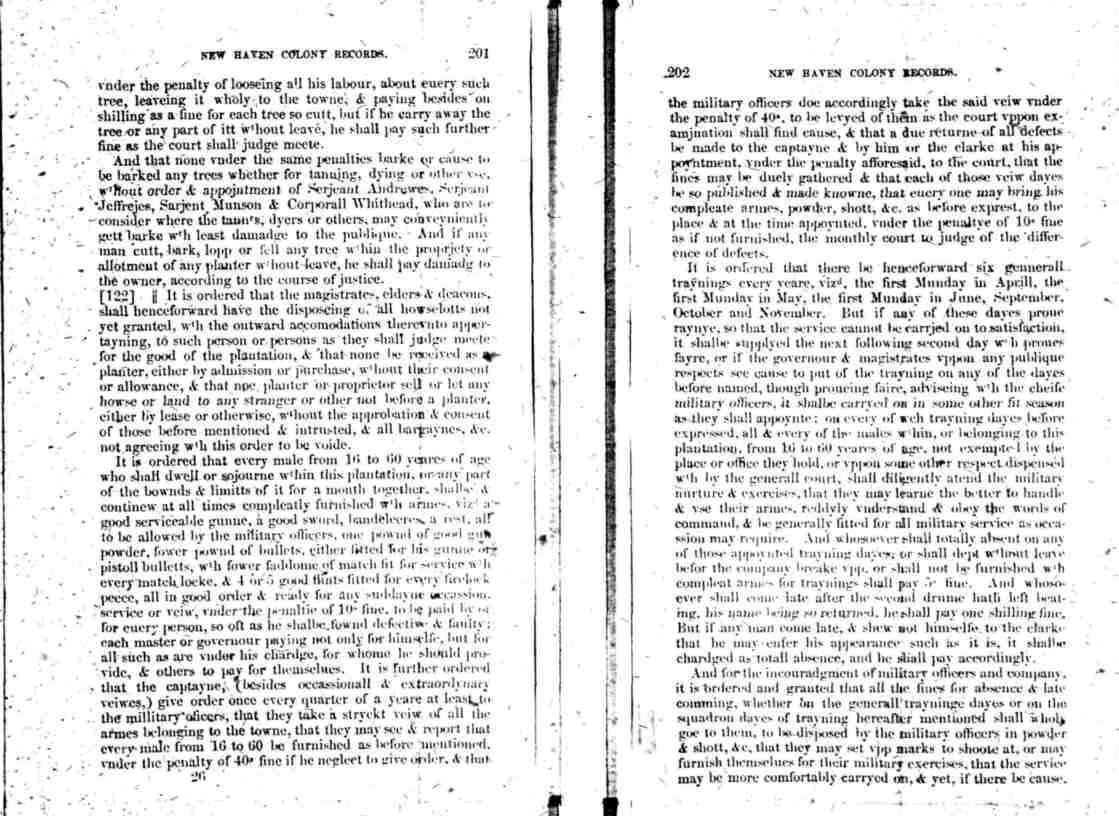
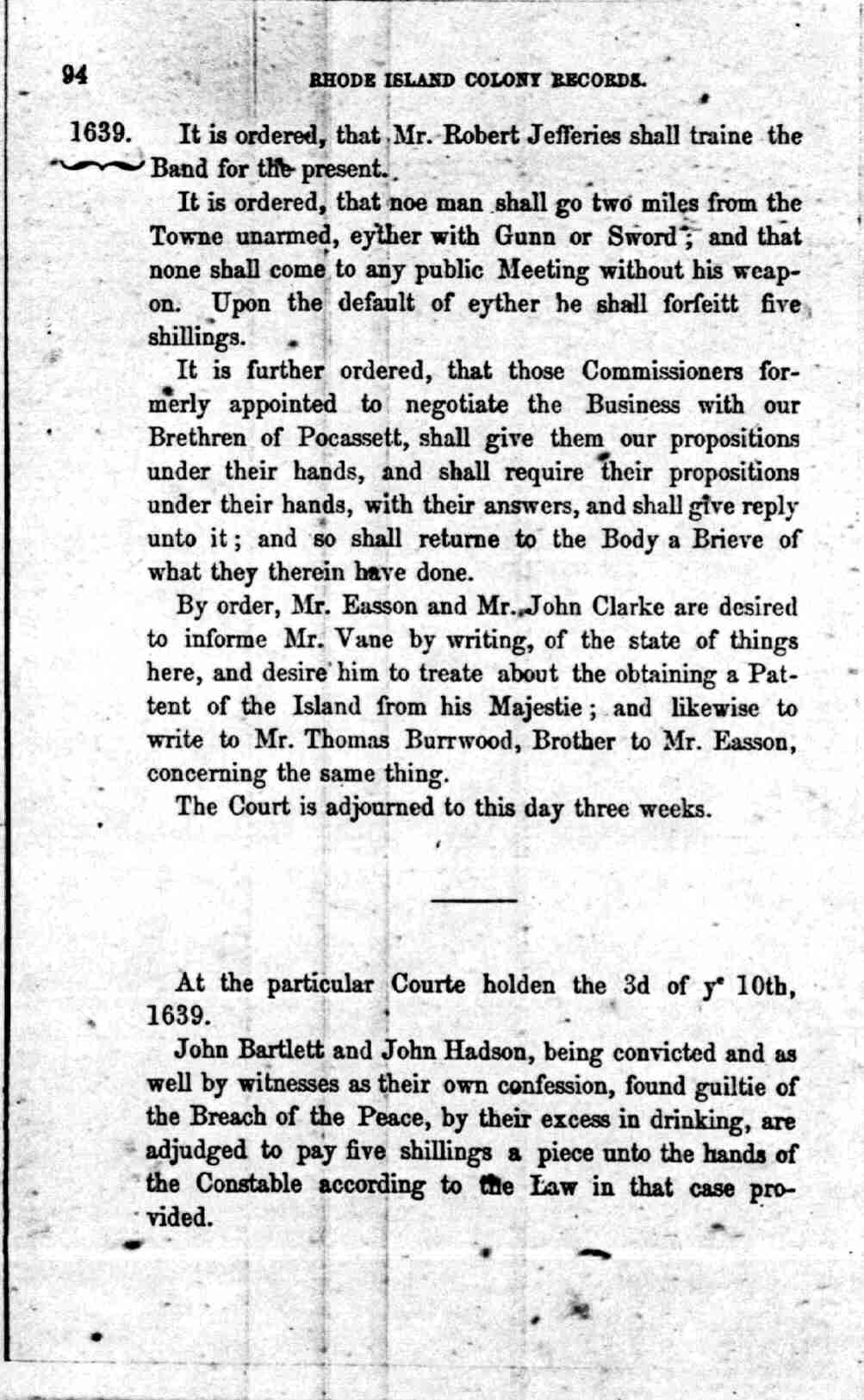
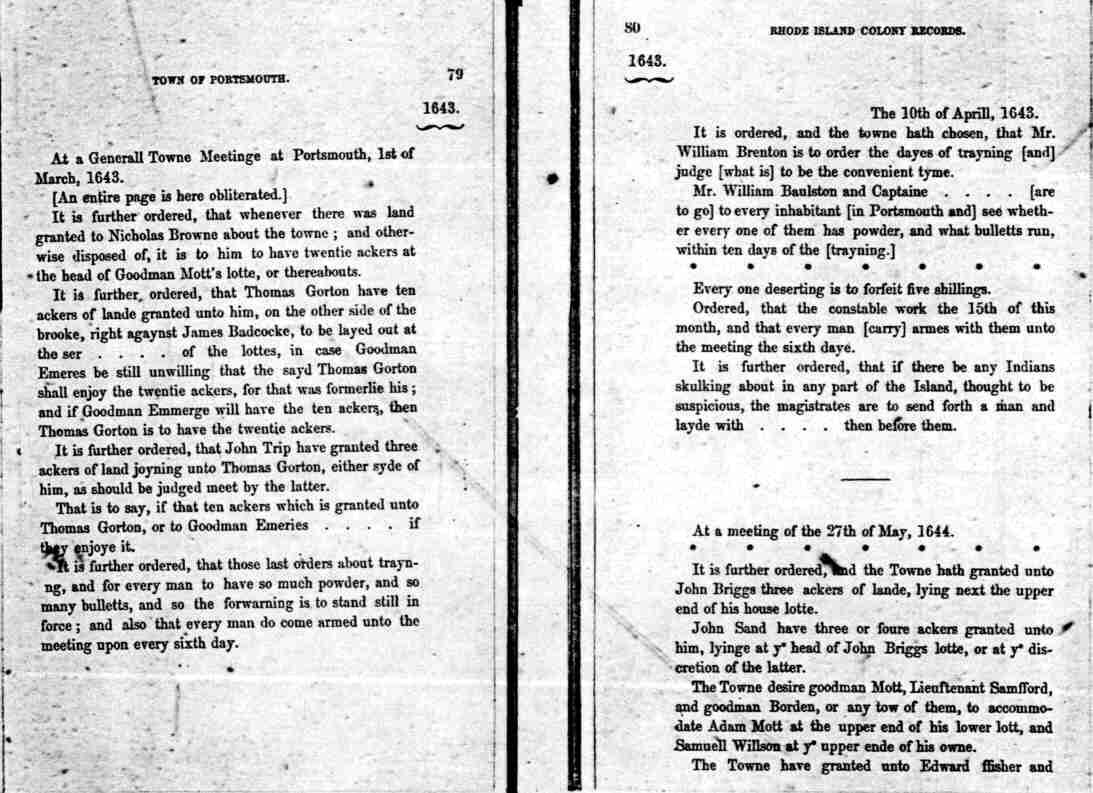
In 1636, Rhode Island enacted a measure to punish any who
would engage in “shooting out any gun . . . drinking in any tavern alehouse . .
. on the first day of the week more than neccesity requireth.” Any who did so
would find themselves in the stocks or fined five shilling.
2.
What the law actually says:
And
bee it further enacted by the authority aforesaid, That any person or persons
shall presume to sport, game or play at any manner of game or games, or
shooting on the first day of the weeke as aforesaid, or shall sit tippling and
drinking in any tavern, ale-house, ordinary or victualling house
on the first day of the weeke, more than necessity requireth; [emphasis added]
3.
This was a Sabbath-keeping law that prohibited
sport of all sorts and drinking on Sundays.
It did not prohibit being armed while drunk or even drinking. If Spitzer looked up this statute, he has
falsely represented it.
4.
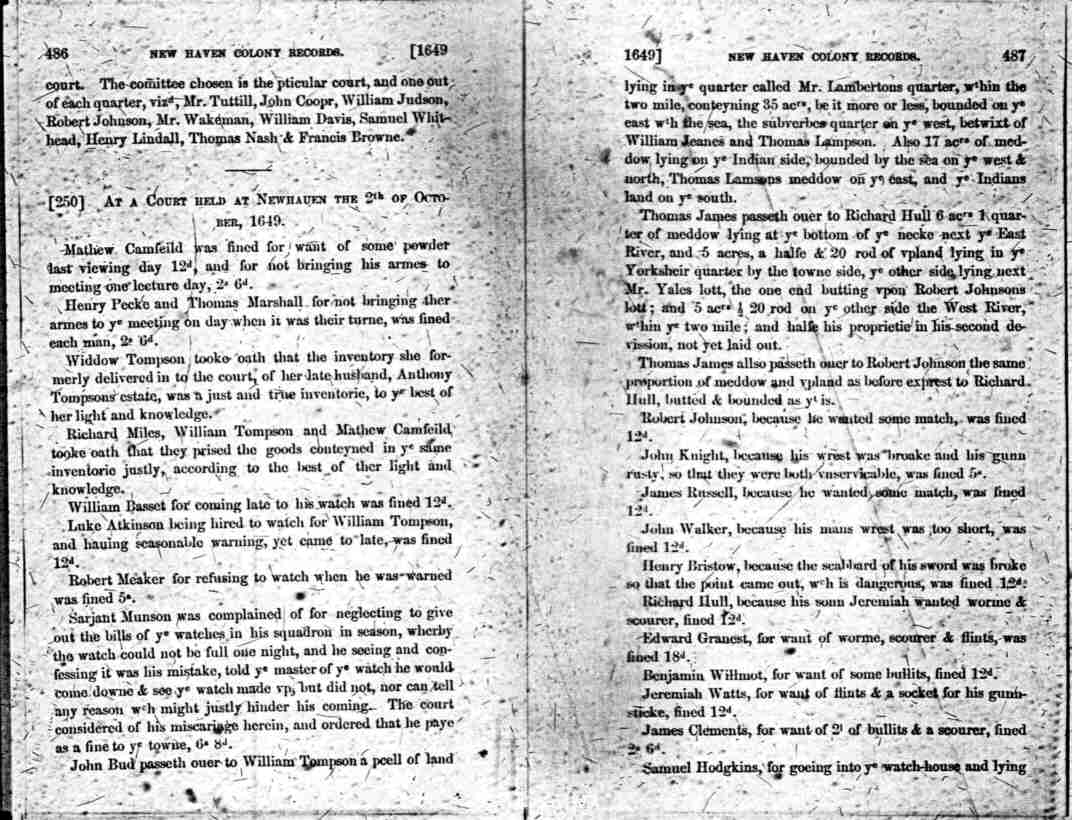
Spitzer at ¶66 claims:
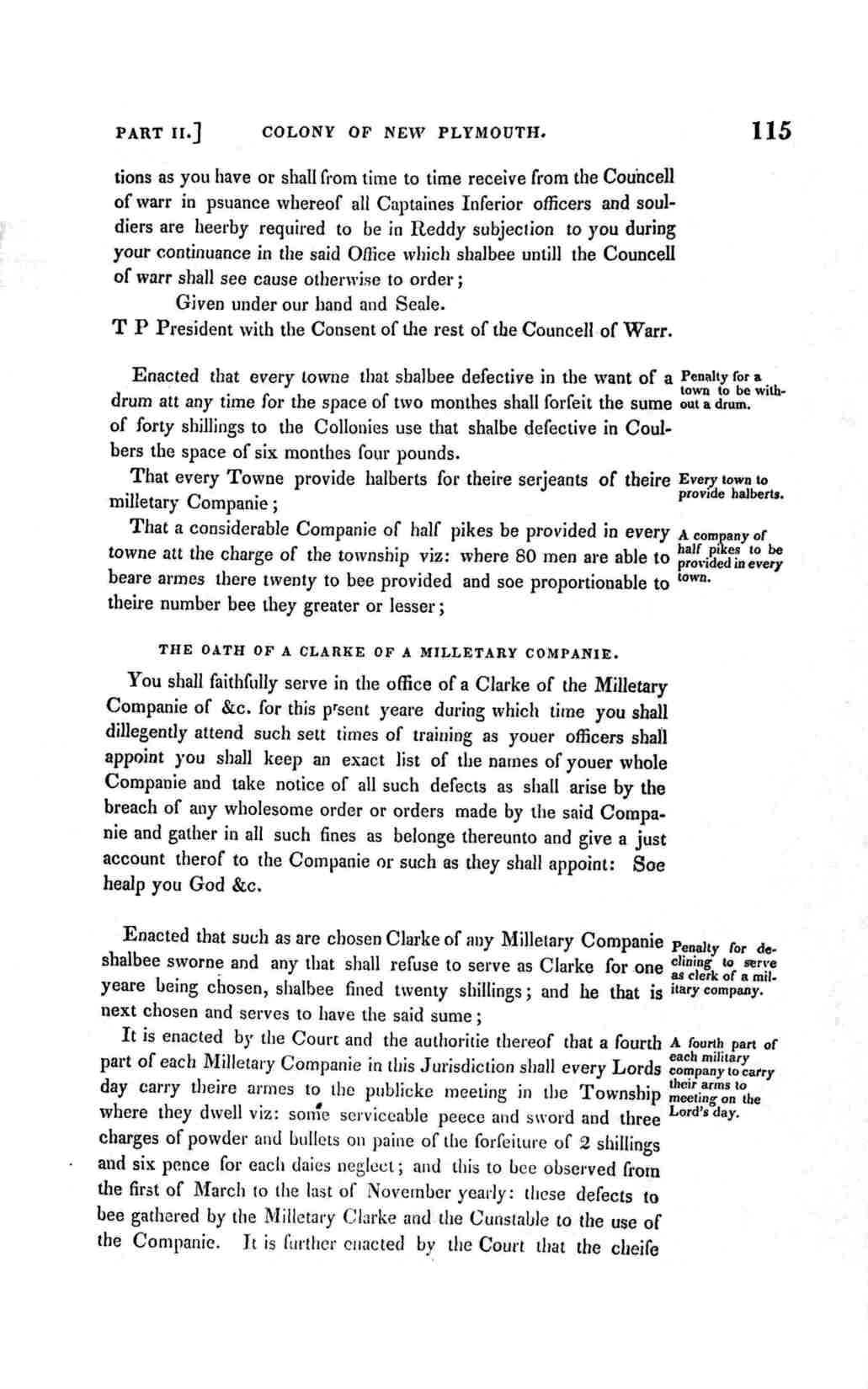
In 1663, Massachusetts criminalized any on board of ships
docked at any colonial harbor where those on board would “be drunk within their
vessels by day or night” and “shoot off any gun after the daylight is past, or
on the sabbath day.” The fine was a substantial twenty shillings for every gun
so fired.
5.
The actual statute:
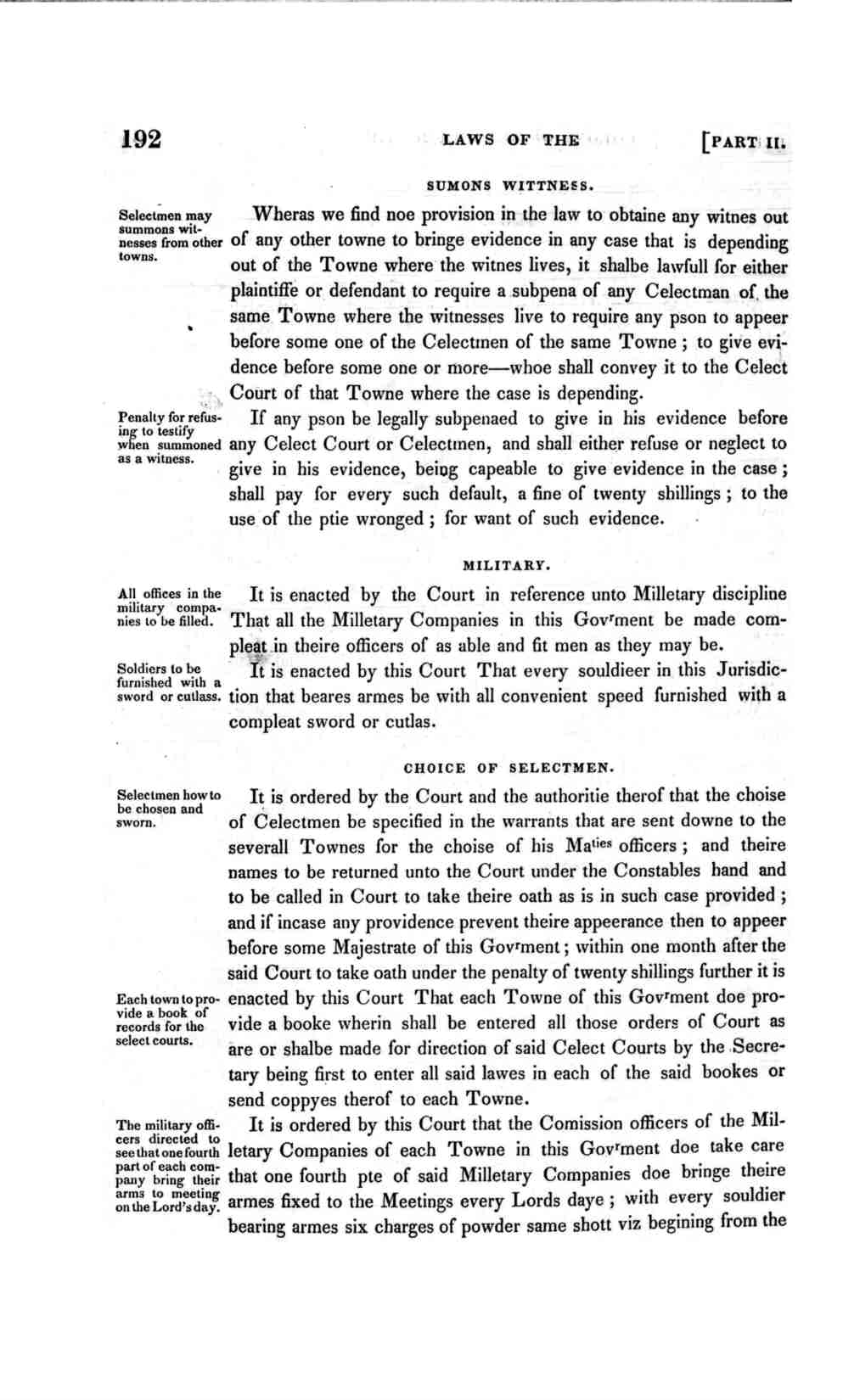
Sect. 4. Be it also enacted by the authority of this
court, that no masters of ships, or
seamen, having their vessels riding
within any of our harbours in this jurisdiction, shall presume to drink
healths, or suffer any healths to be drunk within their vessels by day or
night, or to shoot off any gun after the daylight is past, or on the
sabbath day, on penalty for every health twenty shillings, and for every gun so
shot twenty shillings. [emphasis added]
6.
As the full statute demonstrates, this law
banned drinking not being drunk.
A separate offense was shooting “after the daylight is past, or
on the sabbath day…” The term “gun” in
this period often means cannon, not small arms.
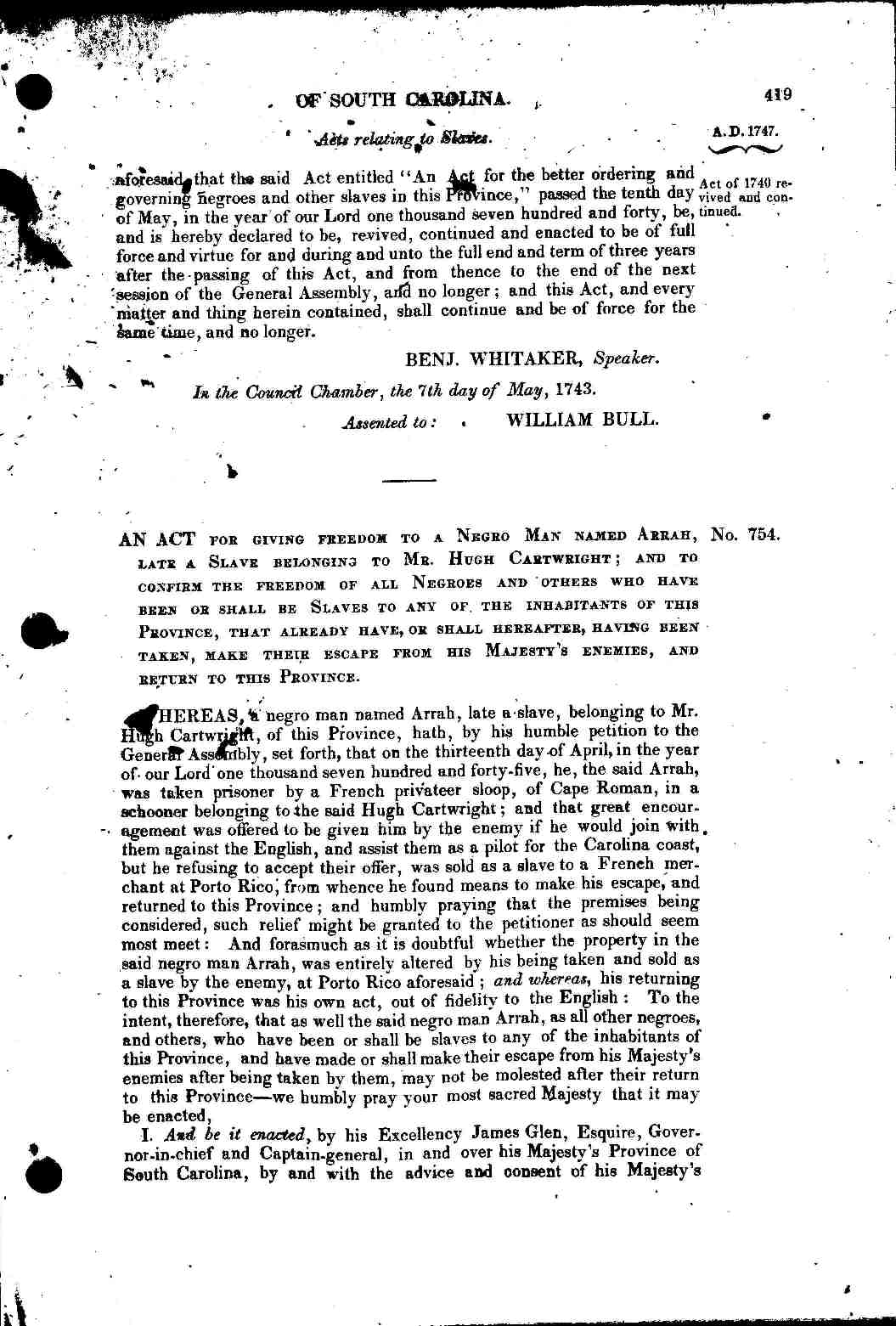
Georgia in 1759 made it unlawful to fire “any great gun or
shall arm in the town or harbour of Savannah after Sun Set without leave or
permission. from the Governor.” The
“shall arm” appears to be a typo for “small arm”; the marginal description is
“person firing any great Guns or small arms…” A similar statute limiting such firing can be
found in Pennsylvania, and again it seems limited to cannon: “And that
no master or commander of any merchant ship or vessel shall fire, or suffer to
be fired, on board his vessel, any ordnance or other gun after eight o'clock in
the evening, nor before daylight in the morning….”
7.
At ¶66:
“In 1750 Pennsylvania enacted a law “For Suppressing Idleness, Drunkenness, And
Other Debaucheries” that punished with “penalties and forfeitures” any who fired
guns or set off fireworks without a special license to do so.” He cites this as “1750 Pa. Laws 208, An Act For The More
Effectual Preventing Accidents Which May Happen By Fire, And For Suppressing
Idleness, Drunkenness, And Other Debaucheries.”
As both the marginal note and the last paragraph clearly state, this was
a 1751 law. More importantly,
Spitzer misrepresents the law whose text is:
To the end the provisions already made by our laws, for preventing
accidents which may happen by fire in the city of Philadelphia, and several
other boroughs and towns, within this province, may be made more generally
useful, and to prevent, as much as in us lies, the growing sins of idleness,
drunkenness, and other debaucheries, too frequent among us, Be it enacted, that
if any person or persons whatsoever, within any county town, or within any
other town or borough, in this province, already built and settled, or
hereafter to be built and settled, not hitherto restricted nor provided for by
our laws, shall set on fire their chimnies to cleanse them, or shall suffer
them or any of them to take fire, and blaze out at the top, or shall fire any gun or other fire-arm, or
shall make, or cause to be made, or sell or utter, or offer to expose to sale,
any squibs, rockets or other fire-works, or shall cast, throw or fire any
squibs, rockets or other fire-works, within any of the said towns or boroughs,
without the governor's special license for the same, every such person, or
persons, so offending, shall be subject to the like penalties and forfeitures,
and to be recovered in like manner, as in and by an act, passed in the eighth
year of the reign of king George the first, entitled, An act for
preventing accidents that may happen by fire, are directed to be levied and
recovered.
If any person or persons whatsoever, shall give
or sell any rum, wine, or other strong liquors, at the time of any vendue,
to any person or persons attending the same, he, she, or they, so selling or
giving any liquors, shall forfeit and pay for the first offence, the sum of
four pounds, and for the second and every other offence, the sum of five
pounds. [emphasis added]
Provided, that every such conviction be made within
one month after such offence or offences committed. Passed 9th February,
1751.-1 Sm. L. p. 208. [emphases added]
8.
Shooting
firearms in the towns was prohibited. In
addition, this law prohibited selling “any rum, wine, or other
strong liquors….” There was no
prohibition on being armed while drunk.